Klara Beck · 3 November 2026
Shifts in operational workflows across niche digital ecosystems following infrastructure transitions
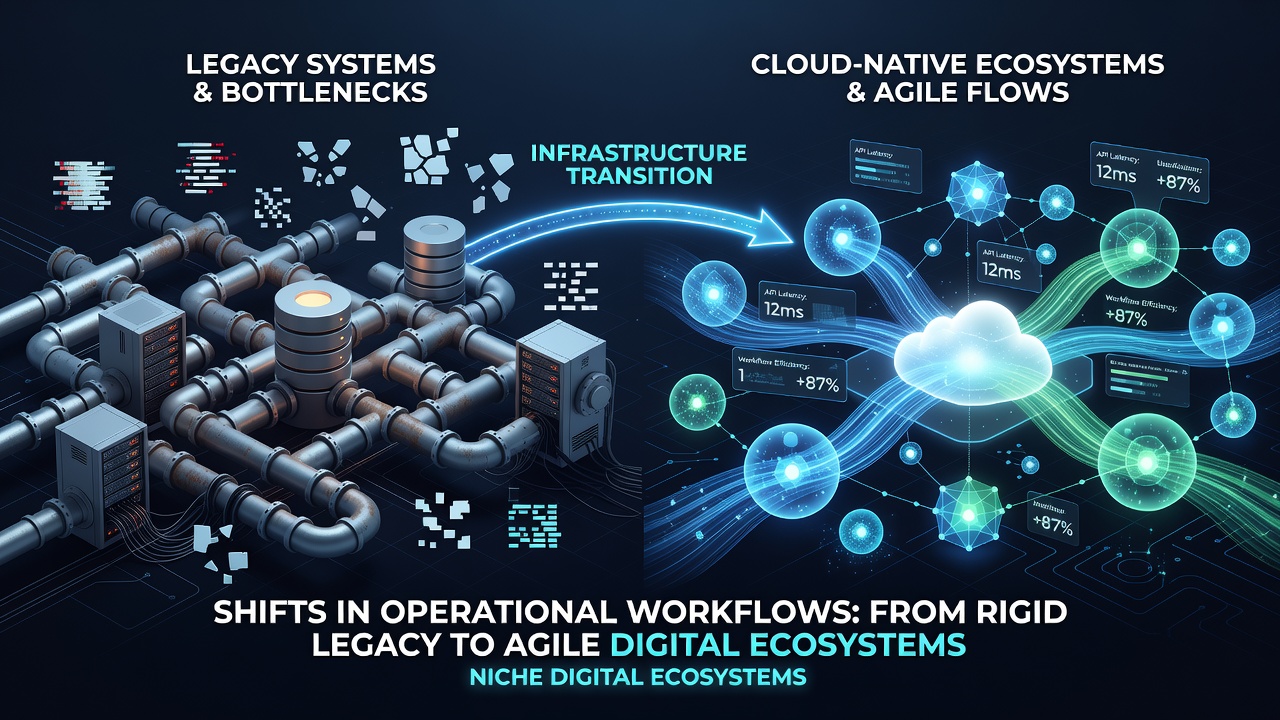
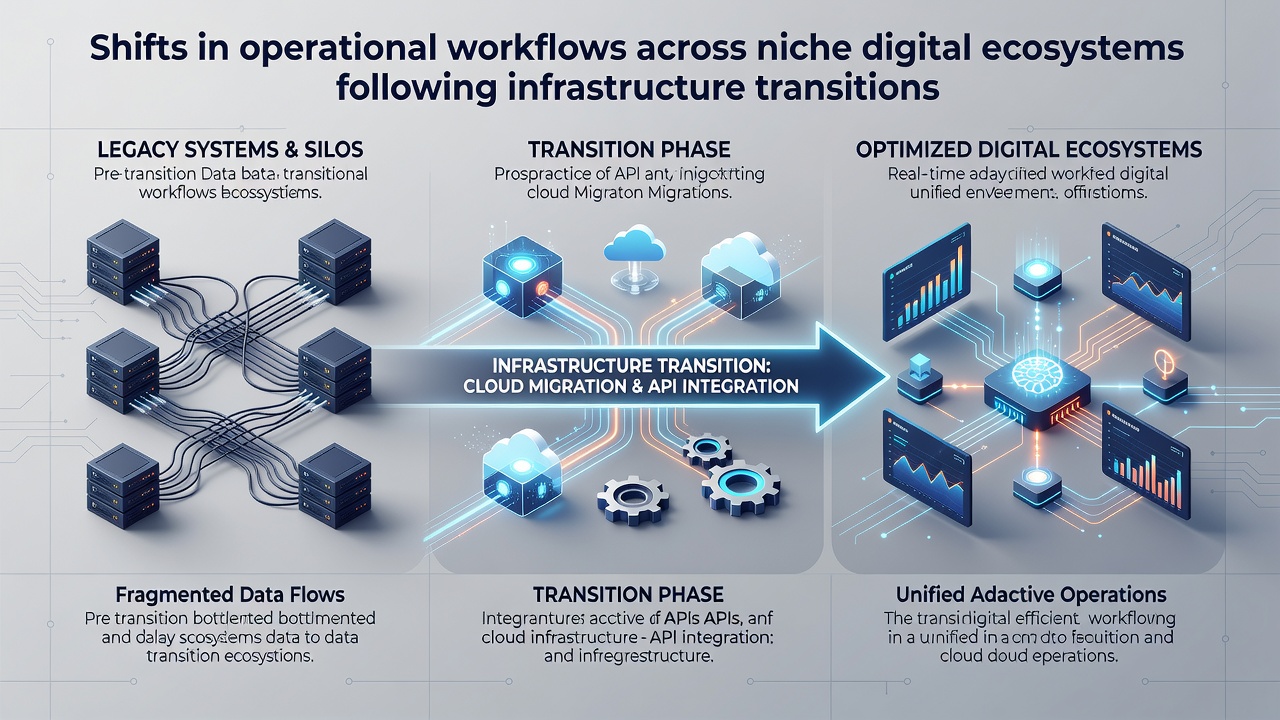
Digital platforms operating in specialized sectors have undergone notable adjustments in daily operations once core infrastructure moves to new hosting environments or cloud architectures, and observers note that these changes often ripple through task sequences that teams once handled in predictable patterns. Research from multiple industry analyses shows that migration events trigger updates to data routing protocols, access controls, and monitoring dashboards, which in turn require staff to adopt revised approval chains and reporting cycles. Those who've tracked such transitions across smaller service networks report that coordination between development, support, and compliance units becomes more layered because each group must verify compatibility with the new resource allocation rules.
Key drivers behind workflow modifications
Infrastructure transitions typically involve shifts from on-premise servers to distributed cloud setups or from legacy databases to scalable object storage systems, and data collected by research groups indicates that these moves alter latency expectations for routine queries. Teams therefore introduce new checkpoints for performance validation before pushing updates live, while also expanding the scope of automated testing suites to cover cross-region synchronization. According to reports issued by the European Commission on digital infrastructure, organizations that completed migrations between 2024 and 2026 recorded measurable increases in the number of approval stages required for content or feature releases.
Specialized platforms that serve narrow user bases, such as niche analytics tools or sector-specific collaboration suites, face additional constraints because their smaller engineering groups must absorb the same compliance overhead that larger entities distribute across dedicated units. Studies compiled by academic researchers at institutions like the University of Melbourne highlight how these groups restructure daily stand-ups to include infrastructure status reviews, thereby embedding previously separate technical checks into standard planning meetings.
Observed changes in task allocation and monitoring
Once new infrastructure stabilizes, monitoring responsibilities often migrate from dedicated operations roles toward product teams who now receive direct alerts about resource thresholds. This redistribution shortens the distance between code deployment and performance feedback, yet it also demands that developers maintain familiarity with logging formats that used to remain the province of system administrators. Figures released by the Australian Competition and Consumer Commission in late 2025 documented similar patterns among mid-sized digital service providers, noting that incident response times improved after such role expansions even as training requirements rose.
Workflow diagrams that teams maintain for internal audits frequently receive updates to reflect new data residency rules and encryption key rotation schedules, and these documents then serve as reference points during quarterly compliance reviews. People responsible for maintaining these records report that version control practices for workflow documentation tightened after infrastructure events because regulators began requesting evidence of process continuity across the transition dates.
Regional variations and timing considerations
Platforms based in different jurisdictions encounter distinct regulatory timelines that influence when workflow adjustments occur relative to the actual infrastructure cutover. In November 2026 several European service providers aligned their documentation refresh cycles with upcoming updates to the Digital Services Act enforcement guidelines, which prompted earlier adoption of audit logging enhancements than comparable North American counterparts. Observers note that these staggered schedules create opportunities for cross-border knowledge sharing among operators who face similar technical constraints yet operate under separate oversight frameworks.
Resource distribution strategies also shift when capacity planning moves from fixed hardware forecasts to consumption-based models, and analysts at various research centers have recorded increases in the frequency of capacity review meetings. Teams adopt shared dashboards that surface real-time utilization metrics, allowing product managers to participate directly in decisions about feature prioritization that once rested solely with infrastructure staff.
Longer-term effects on collaboration patterns
Over multiple quarters following a transition, communication channels between engineering and compliance functions tend to multiply because each side needs ongoing visibility into how infrastructure policies affect content moderation or data retention practices. Case records from platform operators show that shared ticketing systems expanded to include dedicated infrastructure impact fields, which reduced the number of follow-up queries that previously traveled through informal channels. Those who've examined post-migration metrics find that cross-functional ticket resolution times stabilized after the first six months once teams internalized the new review layers.
Training programs likewise evolve, incorporating modules on cloud-native tooling that replace earlier sessions focused on physical server maintenance. External training providers report higher enrollment from specialized platforms during the quarters immediately after announced migrations, suggesting that organizations treat skill development as an integral part of operational stabilization rather than an optional follow-up activity.
Conclusion
Infrastructure transitions continue to prompt measurable adjustments across specialized digital environments, with workflow documentation, role boundaries, and review cadences adapting to match new technical realities. Data gathered from regulatory bodies and academic sources demonstrates consistent patterns of expanded monitoring involvement and tightened version control for process records. As platforms complete further migrations, these established adaptations provide reference points for groups planning similar moves in subsequent years.